Even newly built facilities can quickly outgrow their storage capacity—especially in industries like wind turbine manufacturing, where parts, tools, and legacy components accumulate rapidly.
Mark, a Lead Test Specialist at a major gas and wind turbine company, faced exactly this challenge. Despite working in a recently constructed engineering and testing facility, he recognized early that warehouse expansion wasn’t a viable option. The solution would have to come from optimizing their existing industrial storage system.
“We’ve never had to worry about damage or maintenance issues—it just keeps running. That reliability is critical in any warehouse, especially ours.”
A key issue was the storage of legacy turbine parts—bulk-purchased components kept on hand for future repairs. These items weren’t frequently accessed but were essential to operations.
The facility also housed:
This mix created inefficiencies and consumed valuable floor space. Traditional static shelving simply wasn’t sustainable.
After learning about a heavy-duty mobile racking system, Mark proposed the idea to his leadership team. While initially skeptical, they agreed to explore the option rather than invest in costly facility expansion.
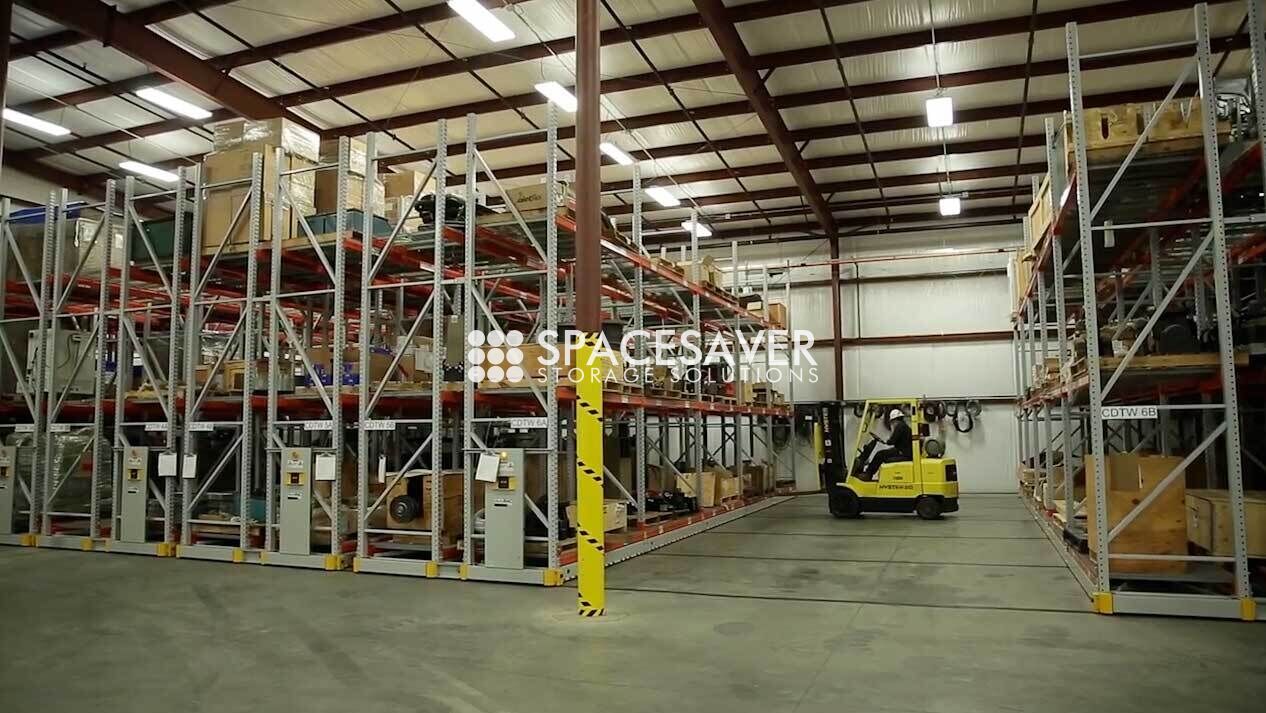
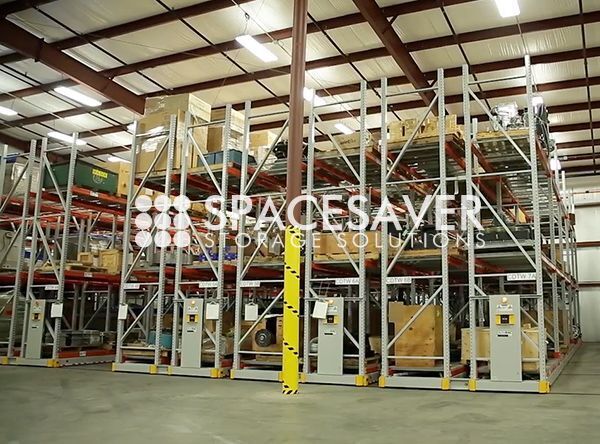
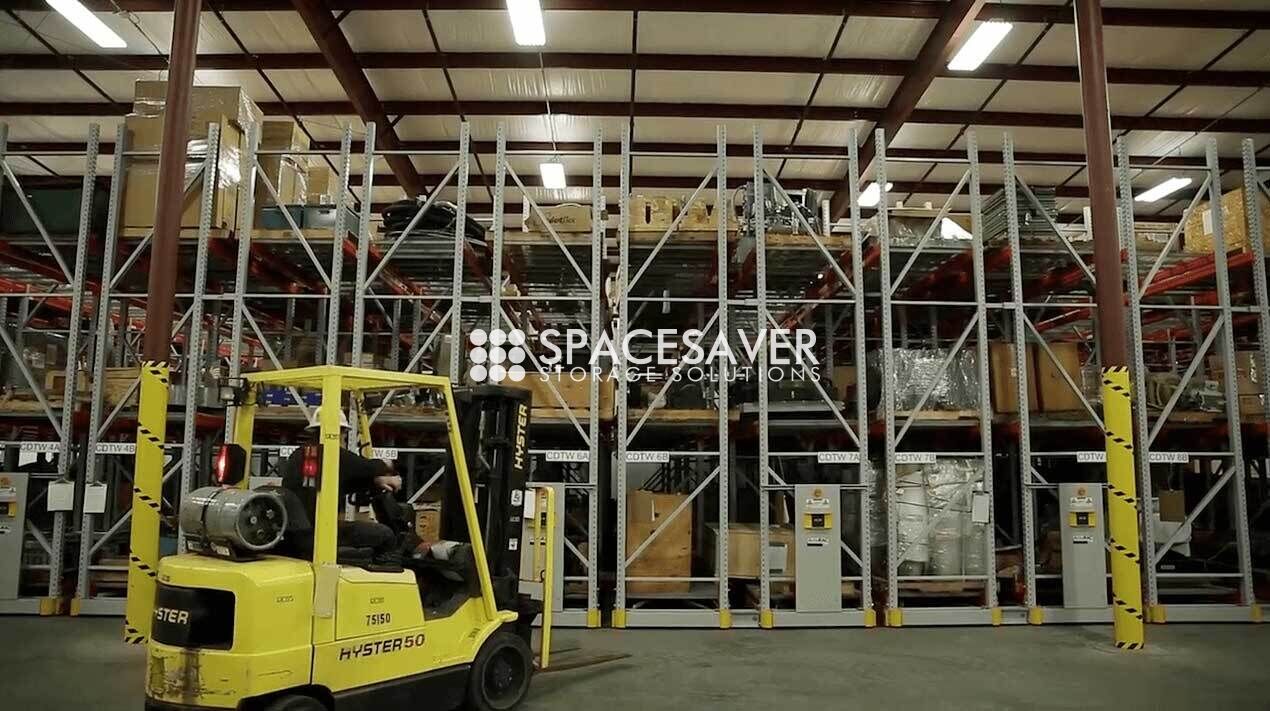
Working with a Spacesaver-authorized distributor, the company implemented a motorized mobile storage system (ActivRAC 16P) designed specifically for industrial environments.
The results were immediate and impactful:
Beyond space savings, the system delivered long-term operational benefits:
As storage needs continued to grow, the company expanded the system further. When facility expansion eventually became necessary, investing in another mobile racking system was an easy decision.
For manufacturers—especially in energy sectors like wind—efficient storage is critical. Mobile storage systems offer:
If your facility is running out of space but expansion isn’t feasible, a mobile industrial storage system could be the solution. By maximizing your existing footprint, you can improve efficiency, protect valuable inventory, and plan for future growth—all without major capital investment.